The Silent Damage of Workplace Hearing Loss
Noise-induced hearing loss is one of the most common occupational injuries, yet it remains largely preventable. Learn why employers should treat hearing conservation as both a workplace safety priority and a long-term health strategy.
September 3, 2026
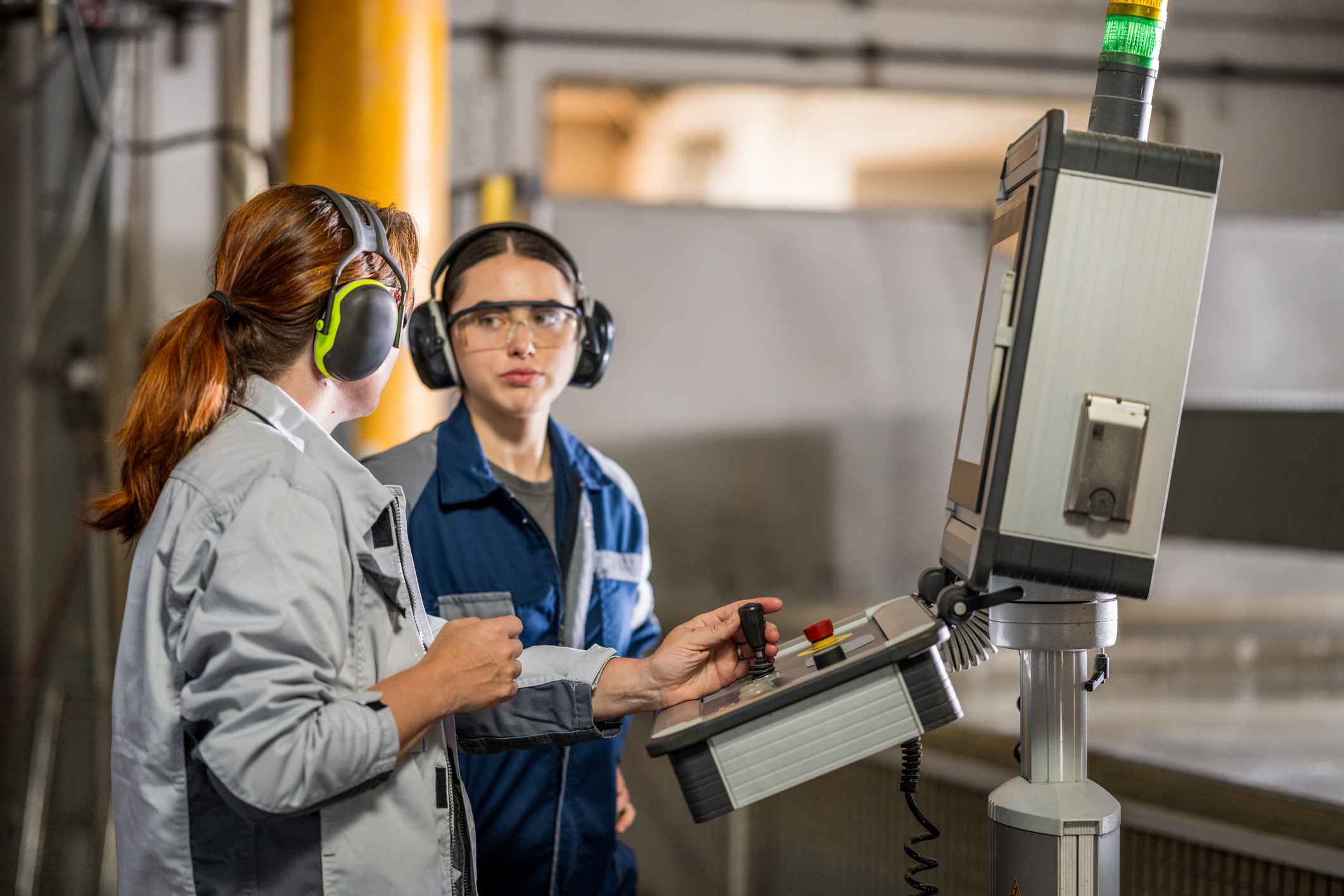
Hearing loss does not announce itself. There is no sharp pain or dramatic moment you can point to later. Instead, it creeps in — a missed word here, a TV turned up a notch there — until one day you realize conversations in a noisy restaurant have become exhausting to follow.
“By the time most people notice, the damage is often already permanent,” said Sara Gibson, Senior Risk Control Manager at Safety National. “That is why hearing loss is one of the most underestimated risks people face in the workplace. Employer-provided hearing protection is important, but limiting exposure time, reducing noise at the source, and conducting regular hearing tests add additional layers of defense to hearing loss prevention.”
Here, we explore the impact of long-term noise exposure and an employer’s role in hearing loss prevention.
Cumulative Noise Exposure
Once hair cells in the inner ear are damaged by loud, sustained noise, they do not regenerate. Yet, the Centers for Disease Control and Prevention (CDC) has reported that many people exposed to loud noise do not consistently use hearing protection. For employers, this is not just a safety statistic; it is a potential claims exposure that can build quietly over years and may later surface as a costly workers’ compensation claim. Long-term exposure can affect an employee’s health, safety, and quality of life. Hearing loss can make it harder to understand conversations, creating communication difficulties. It can also increase accident risk, as employees may not hear important alarms, equipment changes, approaching vehicles, or verbal warnings.
The Dementia Connection
The most significant recent development related to hearing loss focuses on the impact to the brain. A 2024 commission identified hearing loss as the largest modifiable midlife risk factor for dementia, and newer research is reinforcing that link. A November 2025 analysis found that midlife hearing loss was associated with a 71% increased risk of developing dementia. Encouragingly, intervention may help. A companion analysis found that adults under 70 with hearing loss who used hearing aids had a lower observed risk of developing dementia over 20 years of follow-up. That protective association was not observed in adults who were 70 or older at the time of their hearing assessment, underscoring that earlier evaluation and intervention may matter.
Managing Workplace Risks
Whether it is a forklift driver, landscape worker, or machine operator without adequate protection, the underlying problem is the same: hearing damage can be cumulative, may be invisible in the moment, and may be permanent once it occurs. The good news is that it is also one of the most preventable risks. The Occupational Safety and Health Administration (OSHA)’s Occupational Noise Exposure Standard requires covered employers to administer a continuing, effective hearing conservation program when employee noise exposures equal or exceed an eight-hour time-weighted average of 85 A-weighted decibels (dBA). The program includes noise monitoring, audiometric testing, hearing protection, training, and recordkeeping. Employers can start by measuring actual noise exposure on a jobsite and reducing noise at the source. Equipment that needs maintenance is often a source of excessive noise, so simple steps, like replacing worn parts, may help. Hearing protection should be selected for the work environment, worn correctly and consistently, and fit-tested where appropriate. In cases of extreme noise, dual protection, such as earmuffs worn over earplugs, may be appropriate.
Protecting hearing today is not just about avoiding tinnitus or missed conversations later. For employers, it can be a meaningful part of protecting employees’ long-term health and reducing preventable workplace risk.

Building Better Workers’ Compensation Outcomes Through Trust and Accountability

Can Research Build Your Business Case for Fleet Safety Controls?

5 Reasons Complex Claims Require a New Management Approach

Strong on Paper, Weak in Practice: The Gap in Risk Transfer
Avoiding Common Mistakes in Blood-Contaminated Waste Disposal
Why Higher Wages May Signal Greater Medical Utilization in Injured Workers

Rethinking Access to Care for Rural Injured Workers

Managing the Complexities of Cancer, Heart, and Lung Claims

The Role of Letters of Protection in Liability Claims

How Rapid Data Center Growth Can Magnify Construction Risks

The Silent Damage of Workplace Hearing Loss

5 Lessons Learned from WCI 2026
7 Tips for Managing Driving Incident Videos

Police Pursuits and the Challenge of Risk Tradeoffs

8 Key Public Entity Risks and Tactics to Mitigate Them

What Historical Data Does Not Tell Us About Emerging Liabilities

MSD Prevention Technology: Turning Worker Feedback into Safer Workplaces

5 Tips for Building Your School District’s Event Safety Plan
Is Peripheral Nerve Pain Delaying Your Injured Worker’s Recovery?

Protecting Against OSHA’s Top 10 Safety Citations

3 Hazards Facing First Responders During Home-to-Hospital Transport

How Does Your Industry Shape the Real Cost of Cybercrime?

What Makes a Self-Insured Group a Good Risk?

How Mental Health Is Reshaping Workers’ Compensation