How Rapid Data Center Growth Can Magnify Construction Risks
Data center construction is accelerating at a rapid pace. Proactive planning can help employers manage the hazards that come with high-voltage equipment, multiple contractors, and overlapping phases of construction.
September 3, 2026
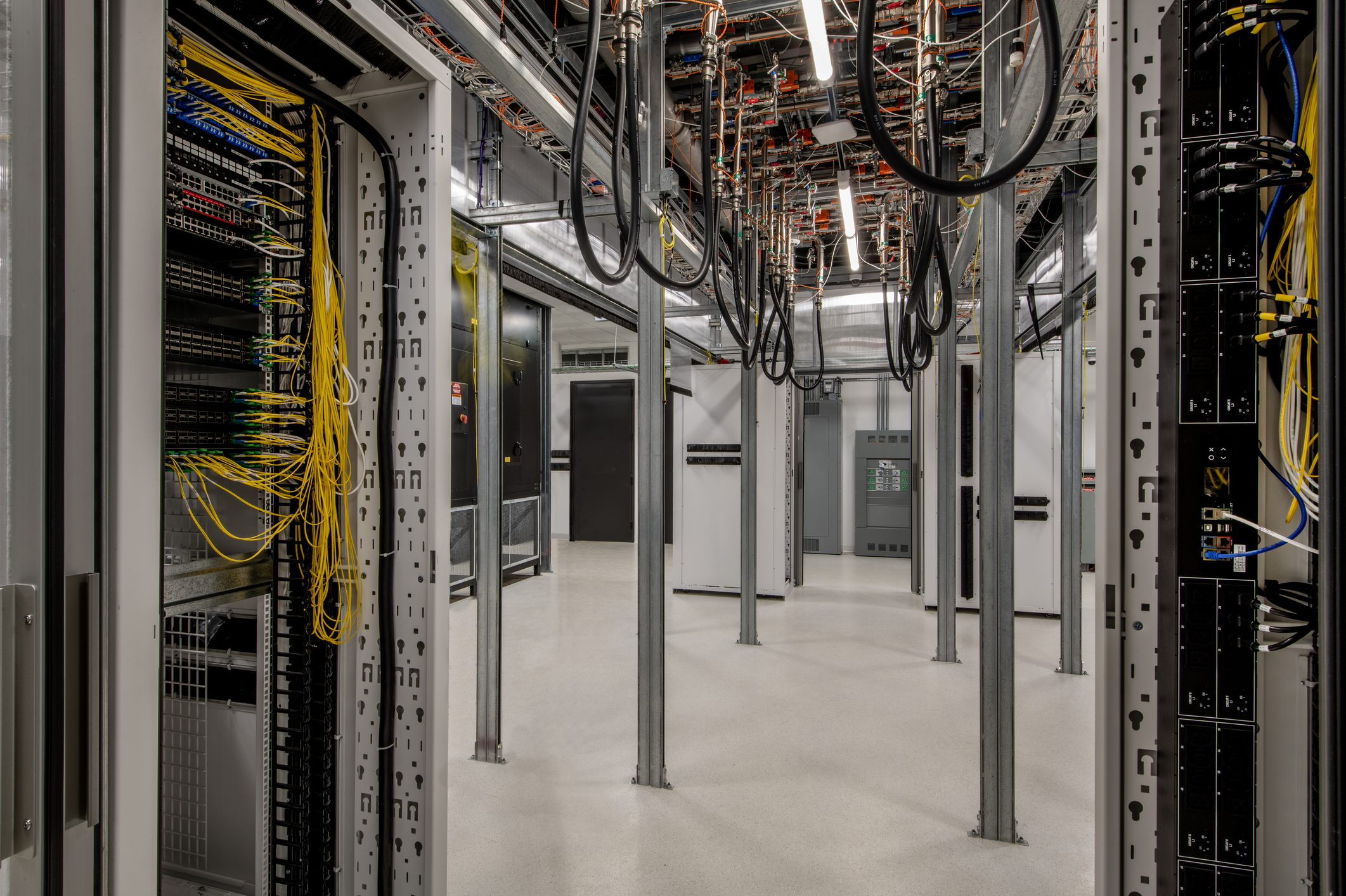
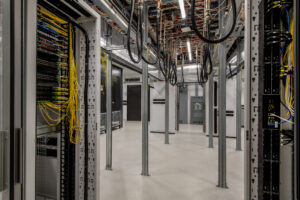
U.S. data center construction is expanding rapidly, with spending reaching a rate of approximately $51 billion in 2026, which is about 27% higher than last year. A single-building data center project can have up to 1,500 on-site employees during peak construction. With that many employees, it can be difficult to manage simultaneous ongoing risks.
“Data center construction and maintenance can involve significant safety hazards,” said Nathan Arnold, Risk Control Manager at Safety National. “Workers may be operating on or near high-voltage systems, energized equipment, and heavy machinery. In a complex, multi-employer jobsite, it is critical that employers and contractors coordinate responsibilities, communicate hazards, and follow applicable safety requirements, often through a unified, site-specific safety plan.”
As these projects grow larger and more complex, understanding key risks is essential to protecting employees and keeping construction safely on track.
Primary Data Center Jobsite Hazards
Data center construction combines the traditional hazards of a large commercial project with concentrated electrical, mechanical, and stored-energy exposures. Risks may be heightened during commissioning, when portions of a facility may become energized or operational while construction continues nearby. Some significant risks to data center employees include:
- Electrical shock, electrocution, and arc flash – These explosive releases of electrical energy occur from uncontrolled current passing through the air. Data centers hold high-capacity electrical equipment, making arc flashes even more dangerous, with the potential to produce shrapnel, extreme heat, and pressure waves.
- Stored energy sources – Uninterrupted power supplies, batteries, and generators may continue to supply power even after being disconnected.
- Generator and cooling systems – Generator testing can create extremely high noise, diesel exhaust, carbon monoxide, vibration, and hot surface hazards. Chillers, cooling towers, pumps, and pressurized refrigerant systems introduce mechanical, chemical, thermal, and stored-pressure risks.
- Falls and overhead hazards – Employees are frequently working on elevated surfaces in facilities, creating more significant fall risks. With crowded overhead installation, dropped objects may become a major hazard to employees working below.
Additionally, hazards involving poor ergonomics, heat stress, inadequate ventilation, and elevated noise can impact employees on these job sites.
The Compounding Risks of Rapid Growth
Many different contractors and even different trades, are often operating simultaneously on one data center jobsite. This can include fire protection, electrical, and mechanical trade professionals working together, and without effective coordination, one contractor can unknowingly create a hazard for another trade. Additionally, skilled trade shortages may place less-experienced employees in complex environments. If contractors are working on multiple projects, their supervising resources may also be stretched thin. Often, data center campuses become operational while construction nearby is ongoing, exposing employees to more considerable hazards involving electricity.
How Employers Can Help
Each contractor is responsible for their own workers, but typically, they must also comply with the controlling contractor’s site-specific safety requirements, particularly when those requirements are communicated, incorporated into contracts, or established as conditions for working onsite. OSHA standards and other applicable legal requirements must be followed, but they generally establish minimum requirements rather than a complete safety program. Site owners and controlling contractors may impose additional requirements that are more protective, and where requirements differ, employers should evaluate and apply the standard that provides appropriate protection for the task and exposure. Examples of protective equipment and controls that may be required for certain electrical tasks include protections for the following:
- Head and face – An arc-rated face shield, arc flash hood or balaclava, and hard hat rated for electrical work.
- Eyes – Safety glasses under the face shield and arc-rated eye protection.
- Hands – Voltage-rated rubber insulating gloves, leather protector gloves worn over rubber gloves, and routine glove inspections and testing that are OSHA compliant.
- Body – Arc-rated shirts, pants, coveralls, or suits, arc-rated outerwear when required, no melting synthetic fabrics against the skin, and no metal jewelry.
- Hearing – Ear plugs or earmuffs during arc-flash exposure tasks, which help mitigate arc-blast pressure and noise injury for the workers.
In terms of electrical safety, employers should prioritize de-energizing areas when possible. Lockout/tagout procedures can help to ensure that machinery and equipment is disabled to prevent the unexpected release of hazardous energy. Employees should be thoroughly trained in working in an environment with live electricity. Jobsite conditions should be reevaluated regularly for changes in employee and contractor safety, making training an essential component to injury prevention.

Building Better Workers’ Compensation Outcomes Through Trust and Accountability

Can Research Build Your Business Case for Fleet Safety Controls?

5 Reasons Complex Claims Require a New Management Approach

Strong on Paper, Weak in Practice: The Gap in Risk Transfer

Avoiding Common Mistakes in Blood-Contaminated Waste Disposal
Why Higher Wages May Signal Greater Medical Utilization in Injured Workers

Rethinking Access to Care for Rural Injured Workers
Managing the Complexities of Cancer, Heart, and Lung Claims
The Role of Letters of Protection in Liability Claims
How Rapid Data Center Growth Can Magnify Construction Risks

The Silent Damage of Workplace Hearing Loss

5 Lessons Learned from WCI 2026
7 Tips for Managing Driving Incident Videos
Police Pursuits and the Challenge of Risk Tradeoffs

8 Key Public Entity Risks and Tactics to Mitigate Them

What Historical Data Does Not Tell Us About Emerging Liabilities

MSD Prevention Technology: Turning Worker Feedback into Safer Workplaces

5 Tips for Building Your School District’s Event Safety Plan
Is Peripheral Nerve Pain Delaying Your Injured Worker’s Recovery?

Protecting Against OSHA’s Top 10 Safety Citations

3 Hazards Facing First Responders During Home-to-Hospital Transport

How Does Your Industry Shape the Real Cost of Cybercrime?

What Makes a Self-Insured Group a Good Risk?

How Mental Health Is Reshaping Workers’ Compensation