Police Pursuits and the Challenge of Risk Tradeoffs
Police pursuits can place officers, subjects, and bystanders in rapidly-escalating situations where split-second decisions carry lasting consequences. Recent cases highlight the types of pursuit-related incidents that continue to create significant exposure for law enforcement agencies and the local communities they serve and protect.
August 24, 2026
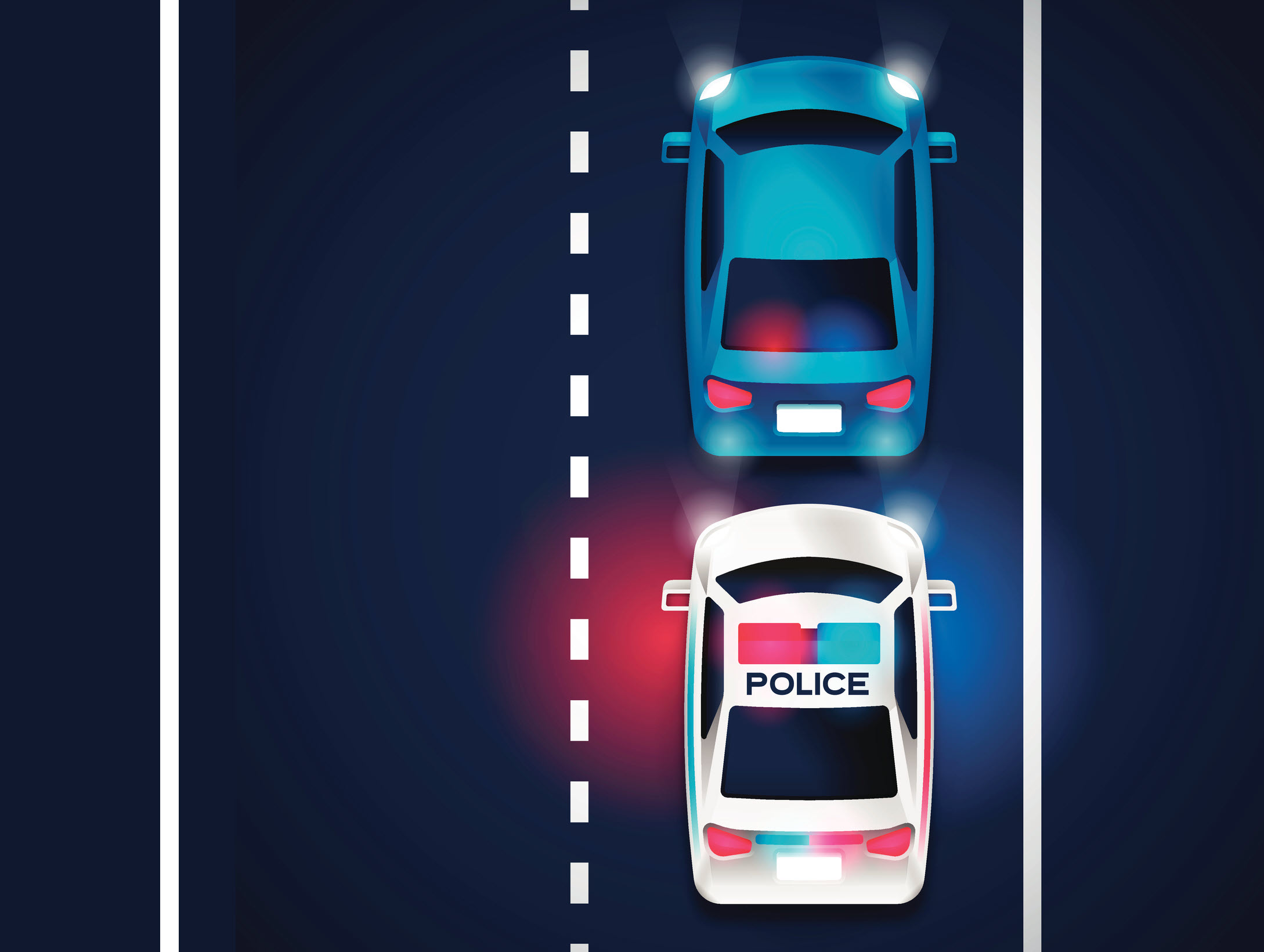
The decision to initiate or continue a police pursuit is rarely simple. Departments must weigh the need to apprehend a suspect against the potential for injuries, fatalities, property damage, and public scrutiny if the pursuit escalates. For local government risk managers, that tension makes pursuit policy an important area for ongoing review — not only after a loss, but as part of broader conversations about training, supervision, technology, and the circumstances under which the risk of pursuit is justified.
“Even though most officers will never fire their weapon while on duty, the incidents that occur when weapons are discharged are why there is such emphasis placed on firearm training,” said Jared Smith, Risk Control Manager at Safety National. “Much of law enforcement involves high-risk, low-frequency events, such as drug incidents, riots, and police pursuits, where officers may find themselves in unfamiliar territory.”
Severe claims with low frequency are also where plaintiffs’ attorneys often focus their attention. The conduct and risk exposures that led to these claims may be untested by case law, yet are subject to significant policy and public expectations, creating many ways law enforcement agencies can end up on the losing side of litigation.
Recent cases across the country offer lessons that risk managers can use when discussing how law enforcement agencies can reduce risk.
Officer Response Under Stress
In a recent incident, officers initiated a traffic stop. When the suspect failed to stop, a pursuit ensued. After the suspect stopped, officers ordered him out of the vehicle. When he exited, the officers mistakenly believed he had a weapon and opened fire. Although officers allegedly fired more than 40 rounds, the suspect was struck six times. Combining the high-risk, low-frequency stress of a pursuit with the use of firearms creates a situation that officers may not be able to adequately replicate in training.
Suspect Injury
Law enforcement agencies may not be immune from liability for injuries sustained by suspects during police pursuits. In a separate pursuit incident, the suspect sustained injuries leading to quadriplegia after his vehicle rolled. Medical costs from this type of injury can be devastating for those responsible for care. A jury may be sympathetic to these types of claims due to the nature of the injury, even when officers have not deviated from standard pursuit procedures.
Bystander Injury
The most devastating pursuit-related accidents occur when uninvolved members of the public are injured or killed, representing the most common police pursuit claims. Factors such as crosswalks, intersections, high speeds, weather, traffic, adrenaline, and unpredictable behavior can heighten the danger to the public. While officers may train for high-speed pursuits, suspects likely have no training and little concern for public safety. These variables cannot be fully replicated on a trained driving course.
These examples of pursuit-related incidents point to a need for local government risk managers to consistently partner with their law enforcement agencies to mitigate risks. As public sentiment toward police pursuits continues to shift, local government risk managers and law enforcement agencies should continue examining vehicle pursuit policies, the risk tradeoffs involved, and the role technology and innovation can play in reducing exposure.

Building Better Workers’ Compensation Outcomes Through Trust and Accountability

Can Research Build Your Business Case for Fleet Safety Controls?

5 Reasons Complex Claims Require a New Management Approach

Strong on Paper, Weak in Practice: The Gap in Risk Transfer
Avoiding Common Mistakes in Blood-Contaminated Waste Disposal

Why Higher Wages May Signal Greater Medical Utilization in Injured Workers

Rethinking Access to Care for Rural Injured Workers

Managing the Complexities of Cancer, Heart, and Lung Claims

The Role of Letters of Protection in Liability Claims

How Rapid Data Center Growth Can Magnify Construction Risks

The Silent Damage of Workplace Hearing Loss

5 Lessons Learned from WCI 2026
7 Tips for Managing Driving Incident Videos
Police Pursuits and the Challenge of Risk Tradeoffs

8 Key Public Entity Risks and Tactics to Mitigate Them

What Historical Data Does Not Tell Us About Emerging Liabilities

MSD Prevention Technology: Turning Worker Feedback into Safer Workplaces

5 Tips for Building Your School District’s Event Safety Plan

Is Peripheral Nerve Pain Delaying Your Injured Worker’s Recovery?

Protecting Against OSHA’s Top 10 Safety Citations

3 Hazards Facing First Responders During Home-to-Hospital Transport

How Does Your Industry Shape the Real Cost of Cybercrime?

What Makes a Self-Insured Group a Good Risk?

How Mental Health Is Reshaping Workers’ Compensation