The Role of Letters of Protection in Liability Claims
In liability claims, letters of protection can serve as an important access-to-care function, but they also introduce uncertainty into medical damage valuation. Those medical bills can become a key factor in how damages are evaluated and negotiated.
September 3, 2026
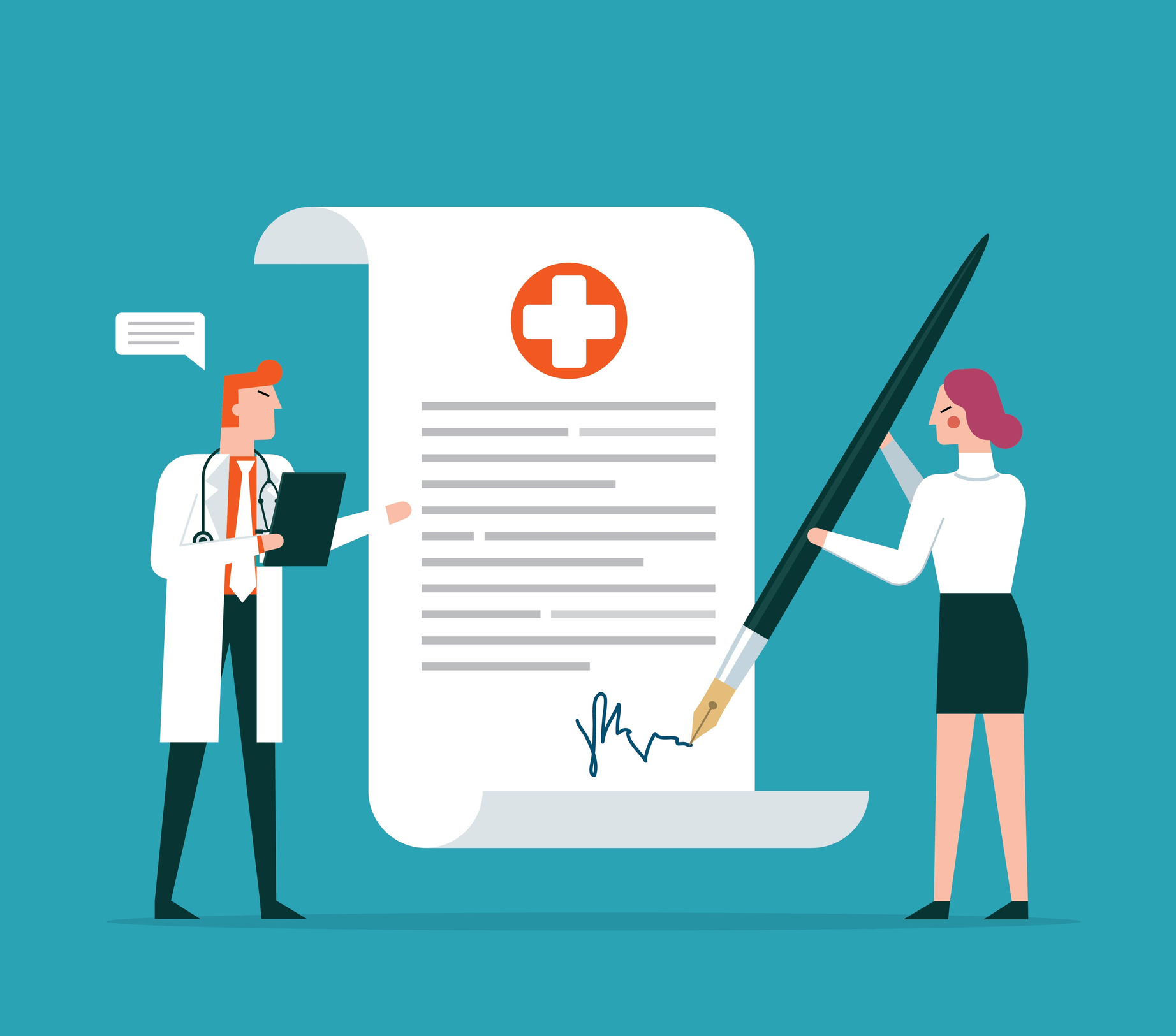
When a plaintiff pursues a liability claim, medical bills are often central to the case because they document the care received and help establish the damages being sought. In many cases, a letter of protection (LOP) may be used to defer a plaintiff’s medical payments until litigation is resolved.
“This agreement between an injured claimant, the claimant’s attorney, and their medical provider might be used when a claimant does not have health insurance, or when they elect not to go through their available health insurance, enabling a claimant to obtain care when payment options are limited,” said Todd McMillan, Corporate Senior Vice President, Liability Claims at Safety National. “Medical treatment may also be in dispute, delayed, or not available to a plaintiff. Although LOPs can help support settlement discussions, they could lead to expanded and risky treatment profiles with excessive damages.”
Here we discuss why LOPs matter in liability claims and how they can complicate damage valuation.
The Challenges of Using an LOP
A typical LOP will include language explaining that the plaintiff was injured and has the right to recover damages, while providing that medical bills will be paid from any recovery or settlement proceeds, subject to the LOP’s terms. An LOP leaves the plaintiff responsible for those payments. It also often includes details allowing for bill reductions post-litigation. While LOPs may help plaintiffs access care, they can also change how medical damages are presented because treatment is often billed at full charges rather than at negotiated insurance or reimbursement rates. In some jurisdictions and claim contexts, concerns regarding inconsistent charges, billing practices, and medical-specials evidence have contributed to broader discussions about litigation reform and the treatment of medical damages.
The Impact of LOPs on Liability Claims
LOPs can affect claim severity, reserves, settlement demands, and litigation strategy. It can be difficult for insurers and claims professionals to assess the true value of medical damages since the billed amount for medical services may not reflect the amount ultimately paid or accepted by the plaintiff. Medical providers treating under an LOP may have a financial interest in the outcome of the claim, which may change their billing levels and treatment recommendations. As such, liability insurers and defense counsel may examine provider billing practices and comparable reimbursement rates to ensure the amount billed reflects a customary treatment profile and reasonable value for the treatment that was provided.
Claims Handling Considerations
Liability claims professionals should identify an LOP early, since it can impact the life of the claim. Requesting relevant billing and payment information where permitted and consistent with applicable discovery rules, privacy requirements, and claim-handling obligations can help evaluate whether charges are reasonable and related to the claimed injury. Additionally, early access to relevant billing may assist in distinguishing billed charges. Claims professionals should use this information to account for reductions, liens, or write-offs.
While LOPs are not inherently disingenuous, they do require an additional level of scrutiny as they can materially affect a claim’s transparency, valuation, and settlement posture.

Building Better Workers’ Compensation Outcomes Through Trust and Accountability

Can Research Build Your Business Case for Fleet Safety Controls?

5 Reasons Complex Claims Require a New Management Approach

Strong on Paper, Weak in Practice: The Gap in Risk Transfer
Avoiding Common Mistakes in Blood-Contaminated Waste Disposal

Why Higher Wages May Signal Greater Medical Utilization in Injured Workers

Rethinking Access to Care for Rural Injured Workers

Managing the Complexities of Cancer, Heart, and Lung Claims
The Role of Letters of Protection in Liability Claims

How Rapid Data Center Growth Can Magnify Construction Risks

The Silent Damage of Workplace Hearing Loss

5 Lessons Learned from WCI 2026

7 Tips for Managing Driving Incident Videos

Police Pursuits and the Challenge of Risk Tradeoffs

8 Key Public Entity Risks and Tactics to Mitigate Them

What Historical Data Does Not Tell Us About Emerging Liabilities

MSD Prevention Technology: Turning Worker Feedback into Safer Workplaces

5 Tips for Building Your School District’s Event Safety Plan

Is Peripheral Nerve Pain Delaying Your Injured Worker’s Recovery?

Protecting Against OSHA’s Top 10 Safety Citations

3 Hazards Facing First Responders During Home-to-Hospital Transport

How Does Your Industry Shape the Real Cost of Cybercrime?

What Makes a Self-Insured Group a Good Risk?

How Mental Health Is Reshaping Workers’ Compensation