Is Peripheral Nerve Pain Delaying Your Injured Worker’s Recovery?
Is your injured worker still experiencing ongoing pain despite a seemingly normal recovery process? Their pain could signal a deeper, often unrecognized issue.
August 10, 2026
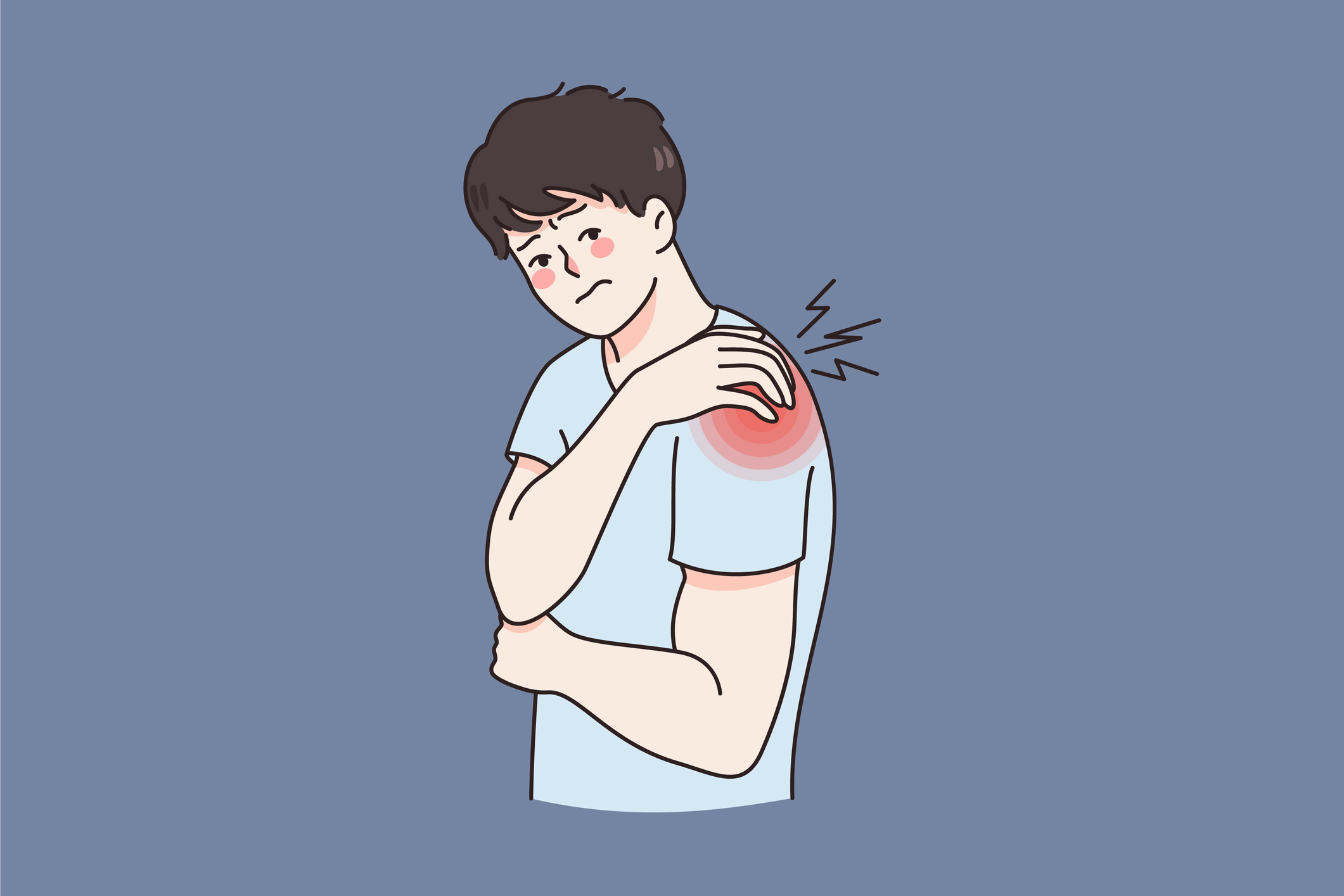
While most injured workers recover as expected, some do not, often due to chronic pain resulting from their injury. It is easier to see when a recovery is successful than when a recovery is no longer following an expected trajectory. Uncovering what may be hiding beneath the chronic pain can change direction of the claim.
“An injured worker could be getting treatment for their initial injury and not fully recovering, but it does not mean that treatment was not appropriate,” said Jennifer Gallagher, Medical Manager at Safety National. “It could be the result of a different pain generator, like peripheral nerve pain. When healing is progressing, but pain is persisting, it might be time to pause, reassess, and ask what else could be driving the injured worker’s pain.”
A closer look at unresolved pain can help reveal whether the claim has reached a point where reassessment is needed.
When Healing Does Not Match Recovery
When an injured worker’s pain seems disproportionate to their expected recovery, it could indicate it is time to pivot and ask a different question. For example, when healing is progressing in post-surgical incisions, bone, tissue, or other bodily structures, but an injured worker’s pain continues with limited function, it can be a sign that there is an underlying issue. Left unaddressed, this chronic pain can plateau a recovery and ultimately, delay a return to work.
Understanding the Primary Pain Generator
A pain generator is the structure primarily responsible for a person’s ongoing pain. As recovery progresses, a pain generator can change, where the initial injury is no longer the primary source of ongoing pain. When a peripheral nerve is causing pain, it can change the way an injured worker’s body responds. Consider the structure of your home — one damaged wire can interrupt an entire electrical system. The same is true of the body’s nervous system, where one damaged nerve can disrupt an entire bodily function.
Using Targeted Diagnostic Injections
Every diagnostic test answers a different clinical question. When peripheral nerve issues are the source of pain, it is possible for healing to still be progressing, with imaging and electrodiagnosis testing appearing to be normal. Targeted diagnostic injections can help identify the primary pain generator, confirm a clinical picture, guide treatment decisions, and assess the patient’s response in real time. This injection can help confirm whether a specific nerve is the source of an injured worker’s pain by placing a small amount of anesthetic directly around a suspected nerve to temporarily block pain.
Recognizing peripheral nerve pain requires a willingness to reassess when the clinical picture no longer supports the injured worker’s level of pain or functional limitation. By identifying the primary pain generator and using tools to target and confirm its source, claims teams can help guide more effective treatment decisions, reduce delays, and support a more informed path toward recovery and return to work.
Watch the full recording of our latest webinar exploring peripheral nerve pain here.
Avoiding Common Mistakes in Blood-Contaminated Waste Disposal

Why Higher Wages May Signal Greater Medical Utilization in Injured Workers

Rethinking Access to Care for Rural Injured Workers

Managing the Complexities of Cancer, Heart, and Lung Claims

The Role of Letters of Protection in Liability Claims

How Rapid Data Center Growth Can Magnify Construction Risks

The Silent Damage of Workplace Hearing Loss

5 Lessons Learned from WCI 2026

7 Tips for Managing Driving Incident Videos

Police Pursuits and the Challenge of Risk Tradeoffs

8 Key Public Entity Risks and Tactics to Mitigate Them

What Historical Data Does Not Tell Us About Emerging Liabilities

MSD Prevention Technology: Turning Worker Feedback into Safer Workplaces

5 Tips for Building Your School District’s Event Safety Plan

Is Peripheral Nerve Pain Delaying Your Injured Worker’s Recovery?

Protecting Against OSHA’s Top 10 Safety Citations

3 Hazards Facing First Responders During Home-to-Hospital Transport

How Does Your Industry Shape the Real Cost of Cybercrime?

What Makes a Self-Insured Group a Good Risk?

How Mental Health Is Reshaping Workers’ Compensation

From Incident to Recovery: Strengthening Workplace Safety Programs

Your Fleet Safety Management Questions Answered

Preventing Workplace Violence Incidents with Wearable Panic Buttons

5 Ways the Workers’ Compensation Industry Is Adapting to High-Risk Claims Drivers