Avoiding Common Mistakes in Blood-Contaminated Waste Disposal
Understanding the differences in blood-contaminated waste can prevent over-classifying routine waste as hazardous and under-protecting employees who handle it daily. We review common misconceptions and guidelines for mitigating exposure.
September 21, 2026
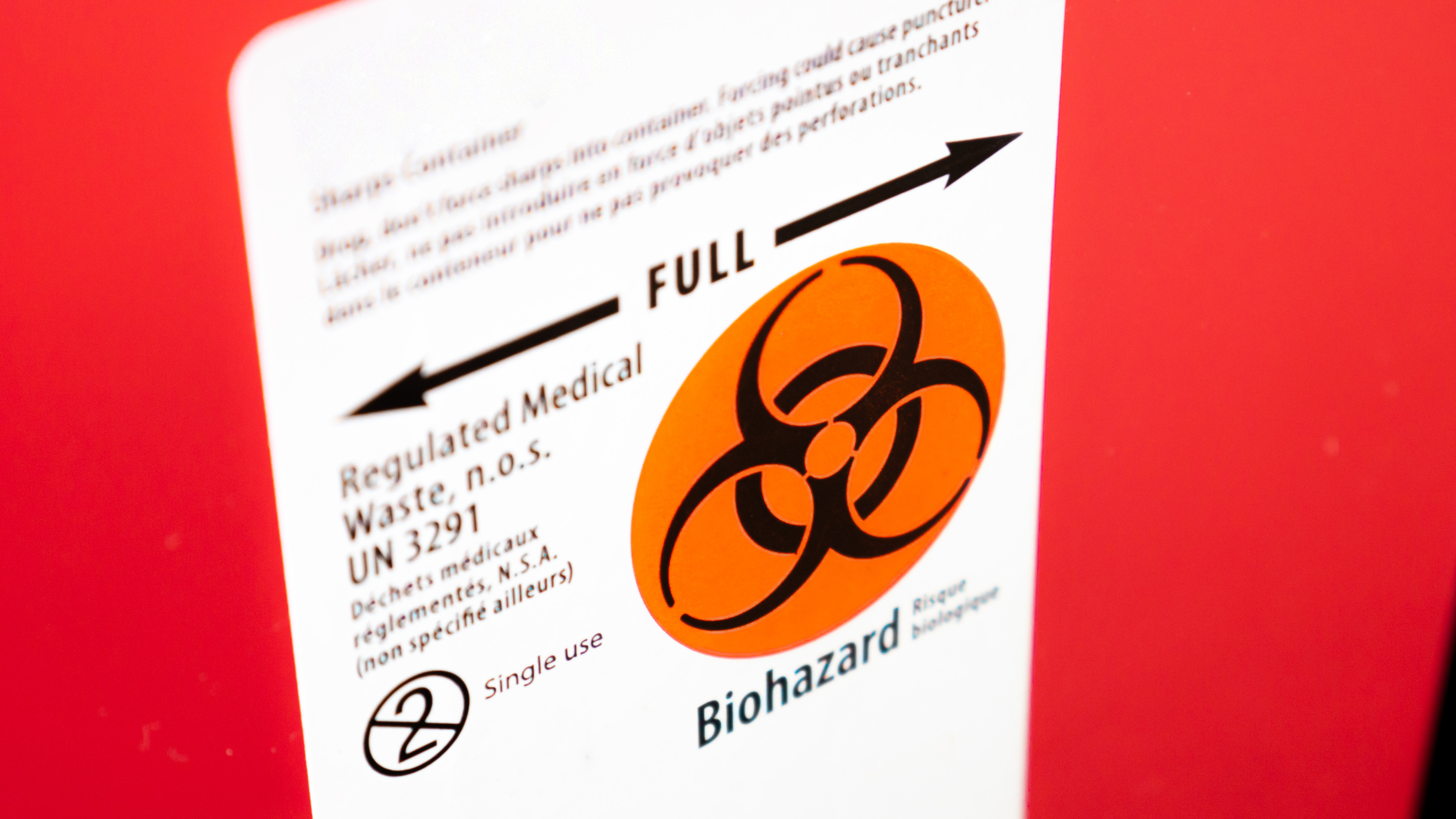
Few workplace safety topics generate more confusion than blood-contaminated waste. Employers may assume the Occupational Safety and Health Administration (OSHA) and the Environmental Protection Agency (EPA) regulate this material the same way when, in fact, they generally serve different regulatory purposes. Understanding the differences, and confirming correct application, can help protect employees and support facility compliance.
“While many industries may be subject to OSHA’s bloodborne pathogens standard to help keep workers safe when handling materials, the EPA’s waste disposal rules are generally focused on environmental protection rather than worker exposure,” said Sara Gibson, Senior Risk Control Manager at Safety National. “Blood-contaminated materials should always be handled appropriately, but over-classifying waste can create unnecessary costs and recordkeeping obligations.”
Understanding each agency’s role and guidelines for mitigating bloodborne pathogen exposure can help employers best protect their employees.
Two Agencies, Two Different Jobs
OSHA regulates employee safety and occupational exposure. Its Bloodborne Pathogens Standard governs how workers with reasonably anticipated occupational exposure to blood or other potentially infectious materials (OPIM) must be protected and trained. This can include requirements related to personal protective equipment (PPE), exposure control plans, hepatitis B vaccinations, and sharps injury prevention. OSHA defines blood regulated waste to include:
- Liquid or semi-liquid blood or OPIM
- Contaminated items that could release liquid or semi-liquid blood or OPIM if compressed
- Materials caked with dried blood or OPIM that can flake off or release the substance during handling
- Contaminated sharps
- Cultures, stocks, and body tissues containing blood or OPIM
The EPA regulates what happens to waste after it leaves the workplace, including how it is contained, transported, and disposed of, so it does not harm the environment or waste handlers. Critically, the EPA does not classify blood or blood-soaked materials as hazardous waste under the Resource Conservation and Recovery Act (RCRA), but there are state disposal rules for waste from medical facilities.
Commonly Misclassified Items
Often, items such as feminine hygiene products, bandages, diapers, and the absorbent materials used to clean up blood are considered blood-contaminated waste, where they are really classified as solid waste. However, the EPA does not set direct federal standards for these types of waste, even though they contain blood or bodily fluids. State-level environmental and health agencies are primarily responsible for enforcing disposal standards for these types of waste.
While not specifically regulated, the EPA does have model guidelines for state agencies regarding blood waste from medical facilities, like hospitals, clinics, and research labs, due to increased risk of infection in these environments. Under OSHA’s bloodborne pathogens standard, industries are subject to specific biohazard labeling of blood-contaminated waste such as placing medical waste in red biohazard bags. All U.S. states require a specialized, licensed, or permitted medical waste haulers to dispose of regulated medical waste.
Regardless of the industry, employees should always use care when handling bathroom trash or any containers that may contain blood or OPIM, per the OSHA bloodborne pathogen standard. This includes:
- Using lined, covered receptacles, so employees do not come in contact with the materials when handling the trash.
- Enforcing handwashing and the use of gloves for employees handling these bins.
- Utilizing the correct disposal bags or containers. These products are not typically placed in red biohazard bags unless your organization has a procedure that specifies to do so. Red biohazard bags should be used for liquid or semi-liquid blood or if the material is saturated, in which case it should only be disposed of by special waste haulers.
Hospital and medical facilities often have special procedures for handling contaminated materials, so always follow your organization’s procedures.
Handling Sharps
Sharps, including needles, lancets, and broken glass contaminated with blood, require their own procedure. They should never be mixed with solid or universal waste. OSHA guidelines for their disposal include:
- Using closable, puncture-resistant, leakproof, labeled sharps containers only.
- Never recapping, bending, or manually removing needles.
- Replacing containers when they are three-quarters full; do not overfill them.
- Mounting containers at accessible, consistent locations, and not on the floor.
- Disposing of sharps consistent with applicable federal, state, local, and organizational requirements, including use of a licensed or approved sharps management vendor where required.
Facilities may consider providing secured sharps containers in bathrooms for employees or visitors who use injectable medications, subject to applicable building policies, privacy considerations, maintenance procedures, and disposal requirements.
Always follow your organization’s procedures and confirm applicable state and local disposal requirements. Proper handling and employee protection measures do not automatically mean a material is classified as federally hazardous waste. Employers should keep worker-safety obligations, regulated medical waste rules, and hazardous-waste classification separate when training staff.
Avoiding Common Mistakes in Blood-Contaminated Waste Disposal
Why Higher Wages May Signal Greater Medical Utilization in Injured Workers

Rethinking Access to Care for Rural Injured Workers

Managing the Complexities of Cancer, Heart, and Lung Claims

The Role of Letters of Protection in Liability Claims

How Rapid Data Center Growth Can Magnify Construction Risks

The Silent Damage of Workplace Hearing Loss

5 Lessons Learned from WCI 2026

7 Tips for Managing Driving Incident Videos

Police Pursuits and the Challenge of Risk Tradeoffs

8 Key Public Entity Risks and Tactics to Mitigate Them

What Historical Data Does Not Tell Us About Emerging Liabilities

MSD Prevention Technology: Turning Worker Feedback into Safer Workplaces

5 Tips for Building Your School District’s Event Safety Plan

Is Peripheral Nerve Pain Delaying Your Injured Worker’s Recovery?

Protecting Against OSHA’s Top 10 Safety Citations

3 Hazards Facing First Responders During Home-to-Hospital Transport

How Does Your Industry Shape the Real Cost of Cybercrime?

What Makes a Self-Insured Group a Good Risk?

How Mental Health Is Reshaping Workers’ Compensation

From Incident to Recovery: Strengthening Workplace Safety Programs

Your Fleet Safety Management Questions Answered

Preventing Workplace Violence Incidents with Wearable Panic Buttons

5 Ways the Workers’ Compensation Industry Is Adapting to High-Risk Claims Drivers