3 Moments That Matter in Workplace Parking Lot Safety
The first and last steps of an employee’s workday can feel routine, but a few distracted or hurried steps can lead to a serious injury. Focusing on three key moments can help employees stay alert and take safer steps from their vehicle to the workplace and back again.
October 19, 2026
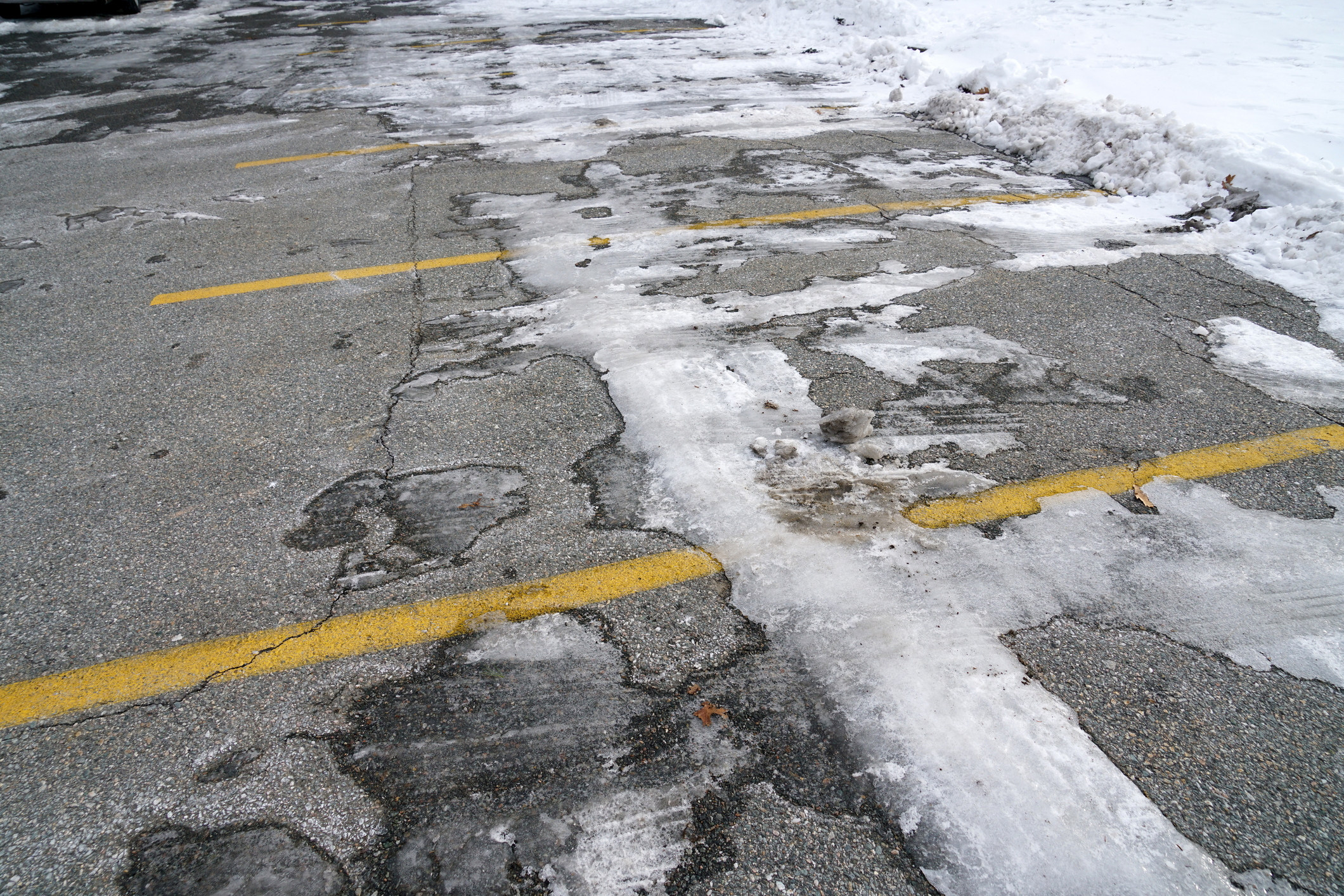
Parking lots are one of the most common locations for employee injuries. Changing weather, uneven surfaces, moving vehicles, poor lighting, a hurried pace, and distracted pedestrians can create risks, especially when employees are arriving at or leaving from work.
“Employees tend to lower their guard when performing the same routine task on a daily basis,” said Sonya Luisoni, Senior Risk Control Manager at Safety National. “Think about your arrival at work. Are you picking the same parking spot? Walking the same path to the door? Do you check texts or emails while walking? That autopilot mindset can leave us inattentive to otherwise obvious risks around us.”
Awareness of these three high-risk moments may help reduce the risk of injuries in parking lots.
1. Exiting the Vehicle
Before opening the door, check for passing vehicles, cyclists, and pedestrians. Always look for vehicles backing out of nearby spaces before stepping away from their vehicle.
We often assume the parking lot surface is unchanged, even when conditions suggest otherwise. People expect proper drainage or de-icing chemicals to reduce slipperiness, but changing temperatures and structural failures can affect how well these measures work. In wet or icy conditions, test your footing before proceeding may help prevent a slip, trip, or fall. Situational awareness can help you avoid icy or wet areas.
2. Walking Through the Lot
“I looked away for one second!” is a common reaction after an incident. In a split second, a distraction can cause you to miss a moving vehicle, cracked pavement, a parking stop, or a slippery patch. Paying close attention, particularly during inclement weather or low-light conditions, may help prevent an injury.
Slowing down, avoiding distractions while walking, and watching for headlights, brake lights, and moving vehicles can reduce the risk of both falls and struck-by incidents. Use designated walkways and crosswalks, and avoid walking between vehicles whenever possible. If you encounter an occupied vehicle, make eye contact with the driver before crossing their path
3. Failure to Report Hazards
People often assume that the hazard has been reported to be fixed, but that is not often the case and leaves other employees exposed to potential injury. If you notice a parking lot hazard, report it to the appropriate person immediately so it can be addressed before someone is injured. As an employer, you should communicate how and to whom parking lot risks should be reported. Different risks may require different responses. Cracks, ice, debris, poor lighting, damaged signs, and blocked sightlines may need to be reported to facilities, maintenance, or the landlord. Near-misses involving interactions with vehicles or suspicious activity might require security or law enforcement. Whatever the hazard, employees need to know where to effectively direct the information. At a minimum, supervisors should know what to do if the hazard is reported to them directly. Also remember to notify employees in advance about construction equipment or temporary repairs in a parking lot so they know to avoid these areas.

5 Major Hazards for Heavy Truck Drivers

Technology Meets Human Expertise at National Comp 2026
3 Moments That Matter in Workplace Parking Lot Safety

Top Trends Identified in WCRI’s Examination of Current Workers’ Compensation Claims

Building Better Workers’ Compensation Outcomes Through Trust and Accountability

Can Research Build Your Business Case for Fleet Safety Controls?

5 Reasons Complex Claims Require a New Management Approach

Strong on Paper, Weak in Practice: The Gap in Risk Transfer
Avoiding Common Mistakes in Blood-Contaminated Waste Disposal
Why Higher Wages May Signal Greater Medical Utilization in Injured Workers
Rethinking Access to Care for Rural Injured Workers

Managing the Complexities of Cancer, Heart, and Lung Claims
The Role of Letters of Protection in Liability Claims

How Rapid Data Center Growth Can Magnify Construction Risks
The Silent Damage of Workplace Hearing Loss

5 Lessons Learned from WCI 2026
7 Tips for Managing Driving Incident Videos
Police Pursuits and the Challenge of Risk Tradeoffs

8 Key Public Entity Risks and Tactics to Mitigate Them

What Historical Data Does Not Tell Us About Emerging Liabilities

MSD Prevention Technology: Turning Worker Feedback into Safer Workplaces

5 Tips for Building Your School District’s Event Safety Plan
Is Peripheral Nerve Pain Delaying Your Injured Worker’s Recovery?

Protecting Against OSHA’s Top 10 Safety Citations