3D Printing and Bioprinting Applications in an Injured Worker’s Treatment
For over 40 years, 3D printing has made waves in rapid prototyping. Although it may be seen as a hobbyist tool, this technology is transforming medical care and could have a considerable impact on the workers’ compensation industry.
October 30, 2026
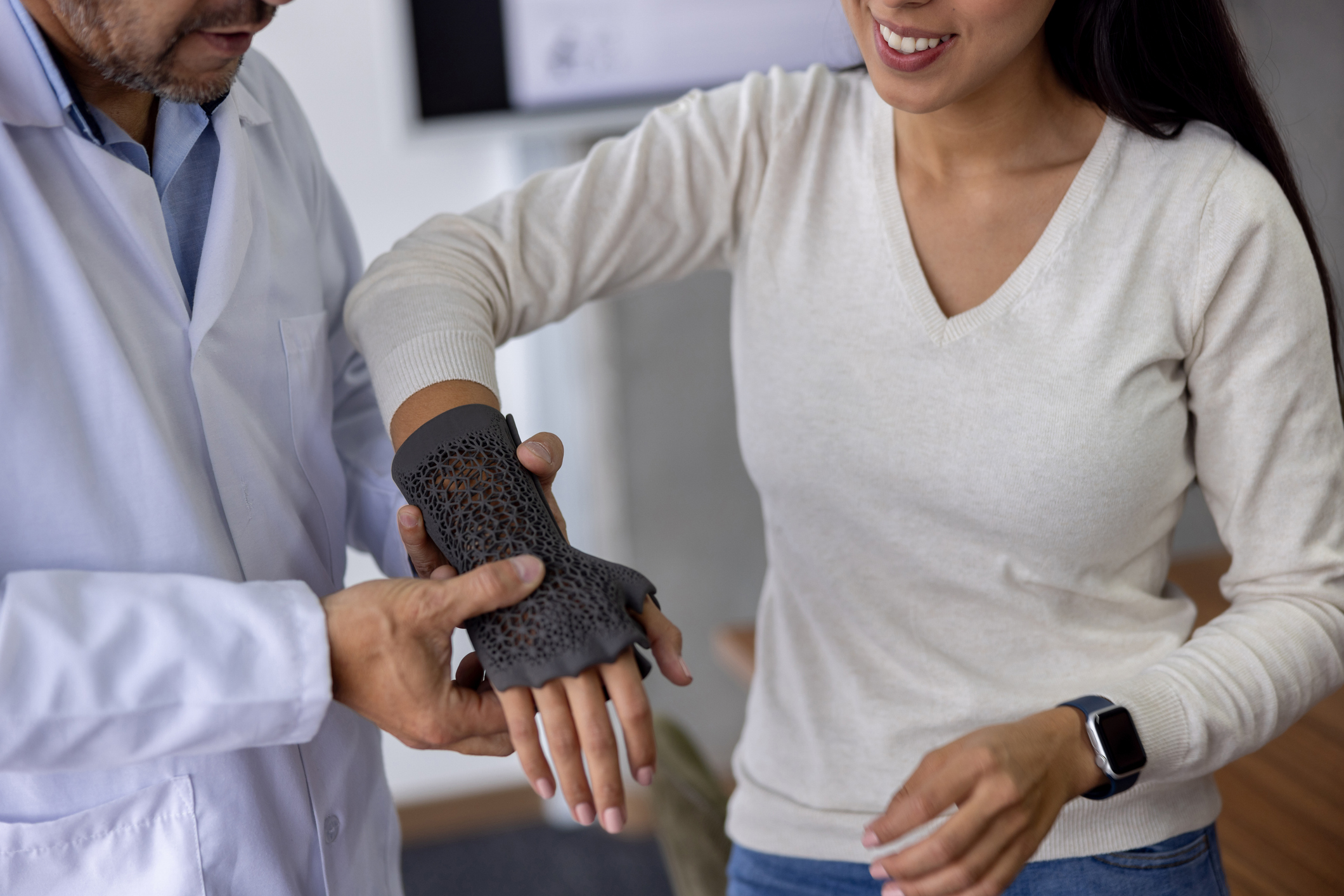
Medical innovation continues to accelerate, with advances in surgical robotics, neurotechnology implants, genetic treatments, and artificial intelligence-assisted diagnosis. Emerging 3D printing and bioprinting technologies have also made their way into the treatment of injured workers. Conventional 3D printing generally uses materials such as plastic or metal, while bioprinting uses cells or other biological materials to create tissue-like structures.
“3D printing was initially considered in the context of consumer products, but it has rapidly developed and shown dramatic advancements,” said Stacy Whalen, Medical Management Director at Safety National. “When used for external medical devices, such as orthoses or prosthetics, a 3D-printed model can provide a more customized fit, potentially improving comfort and usability while reducing the waste associated with off-the-shelf devices that may not fit properly.”
As 3D printing and bioprinting have shifted from prototypes to finished products, their treatment applications have expanded Below are examples of established and emerging applications of these technologies.
Bodily Applications
- Implants – Printed hip implants use the same titanium as traditional implants, but their porous geometry allows bone to grow into the implant rather than around it. This can provide a more secure fit and may lead to a faster recovery for an injured worker. However, because this technology is rapidly evolving, much remains unknown about the longevity of these implants.
- Casts – A traditional cast may be applied to an injured, swollen arm in the emergency room. As the swelling subsides, a gap can develop between the cast and the arm. Printing allows medical providers to use the same geometry to create a new cast or splint that fits the arm properly.
- Surgical planning – Some surgeons use physical models of complex fractures printed from computed tomography (CT) or magnetic resonance imaging (MRI) scans. They can hold and rotate the model to plan exactly where to place pins or screws.
- Prosthetics – Engineers can design sockets with varying densities, incorporating softer and firmer regions into a single print to potentially improve an injured worker’s comfort and load-bearing capacity. Production may also be completed more quickly than with traditional methods.
- Tissue grafts – Bio-inks, cells, or stem cells can be used to create living tissues. Once structures such as cartilage, bone, skin, or heart patches are printed, they are placed into a bioreactor to mature into functional tissue. Bioprinting applications for bone grafts and cartilage repair remain emerging, and clinical availability and regulatory status vary by product and intended use.
Timeline and Cost Trajectory
3D printing could become more cost-effective over time as the technology becomes more common and is applied to a wider range of uses. External devices, such as splints, casts, and instruments, may see earlier and broader use in an injured worker’s treatment. Internal devices, such as hip replacements, currently cost more, but the price gap has narrowed as the technology has become more reliable. Bioprinting may offer options when traditional alternatives are limited. For example, it could be used to create living tissue structures, like ears. However, the costs of this technology remain relatively high.
While costs vary widely, claims teams may benefit from developing a defined process for evaluating requests for these types of medical devices and determining when to engage an excess carrier that can provide medical management expertise related to catastrophic injuries. Claims professionals can support better decision-making across their organizations and the broader industry by sharing what they learn about this technology, particularly as it relates to regulatory differences among states.
Treatment decisions should be made by qualified treating providers based on the individual patient’s circumstances; coverage and reimbursement are subject to applicable law and policy terms.

Lessons from Losses: When Familiar Firefighting Tactics Create New Risks
3D Printing and Bioprinting Applications in an Injured Worker’s Treatment

Understanding the Cyber Risks of Third-Party Vendors

4 Questions to Ask When Evaluating Your Carrier Relationship

5 Major Hazards for Heavy Truck Drivers

Technology Meets Human Expertise at National Comp 2026
3 Moments That Matter in Workplace Parking Lot Safety

Top Trends Identified in WCRI’s Examination of Current Workers’ Compensation Claims

Building Better Workers’ Compensation Outcomes Through Trust and Accountability

Can Research Build Your Business Case for Fleet Safety Controls?

5 Reasons Complex Claims Require a New Management Approach

Strong on Paper, Weak in Practice: The Gap in Risk Transfer
Avoiding Common Mistakes in Blood-Contaminated Waste Disposal

Why Higher Wages May Signal Greater Medical Utilization in Injured Workers

Rethinking Access to Care for Rural Injured Workers

Managing the Complexities of Cancer, Heart, and Lung Claims
The Role of Letters of Protection in Liability Claims

How Rapid Data Center Growth Can Magnify Construction Risks
The Silent Damage of Workplace Hearing Loss

5 Lessons Learned from WCI 2026

7 Tips for Managing Driving Incident Videos
Police Pursuits and the Challenge of Risk Tradeoffs

8 Key Public Entity Risks and Tactics to Mitigate Them

What Historical Data Does Not Tell Us About Emerging Liabilities